Best Fence Materials for Handling Phoenix Heat: A Guide from Fence Contractors
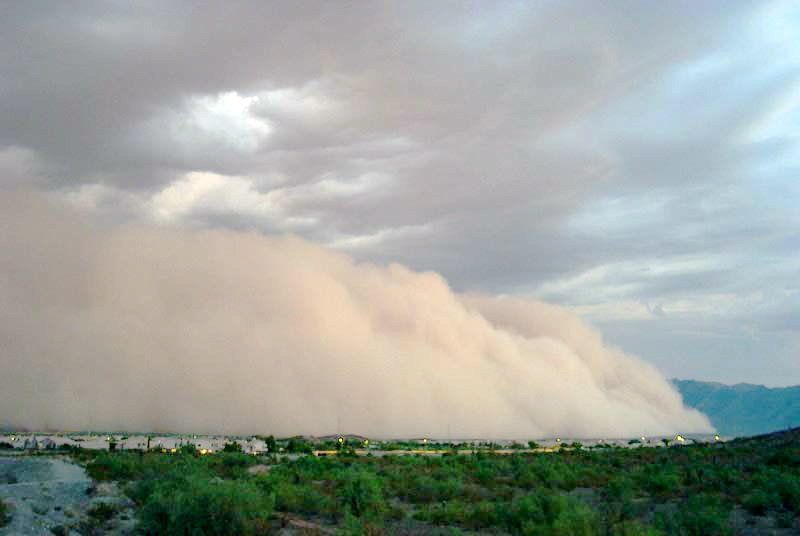
Choosing the right fence material is one of the most important decisions property owners in Phoenix, AZ, can make. Temperatures regularly climb above 110°F, and intense UV exposure, monsoon winds, and dust storms can push even quality fencing to its limits. Knowing which materials hold up helps you avoid costly repairs and premature replacements.
How Does Extreme Heat Affect Fencing Materials?
Phoenix heat can cause fencing materials to warp, fade, crack, or corrode faster than in milder climates. Each material reacts differently, so understanding the trade-offs before installation saves time and money.
- Wood fencing fares poorly in the desert. Dry heat pulls moisture from the wood, causing splitting and cracking. Without regular sealing, wood fences may show significant wear within a few years. Wood can also attract termites, which are active throughout the Phoenix, AZ, region.
- Vinyl (PVC) fencing resists moisture and does not rust, but prolonged UV exposure can make lower-grade vinyl brittle or faded. UV-stabilized products help extend the lifespan considerably.
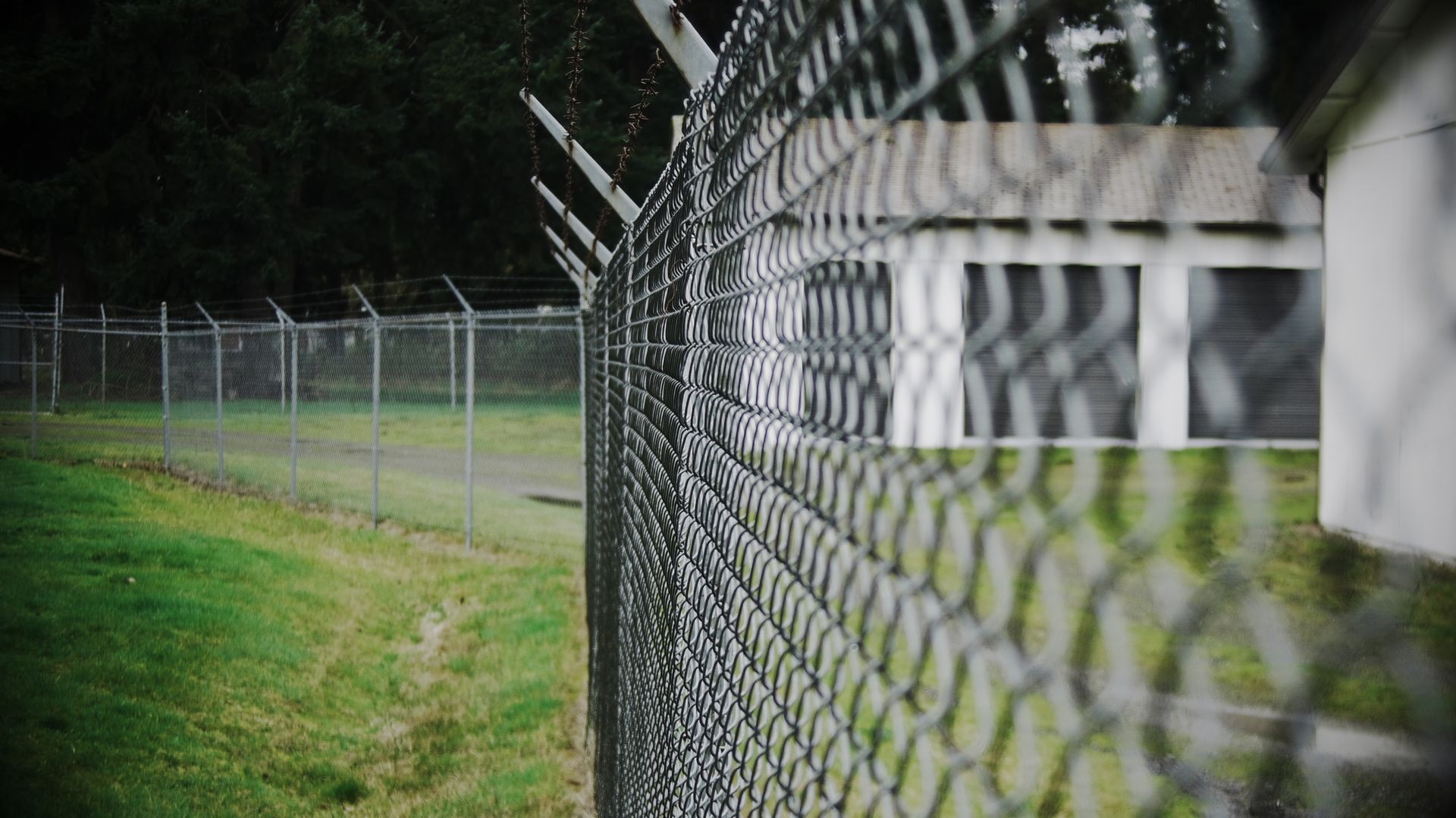
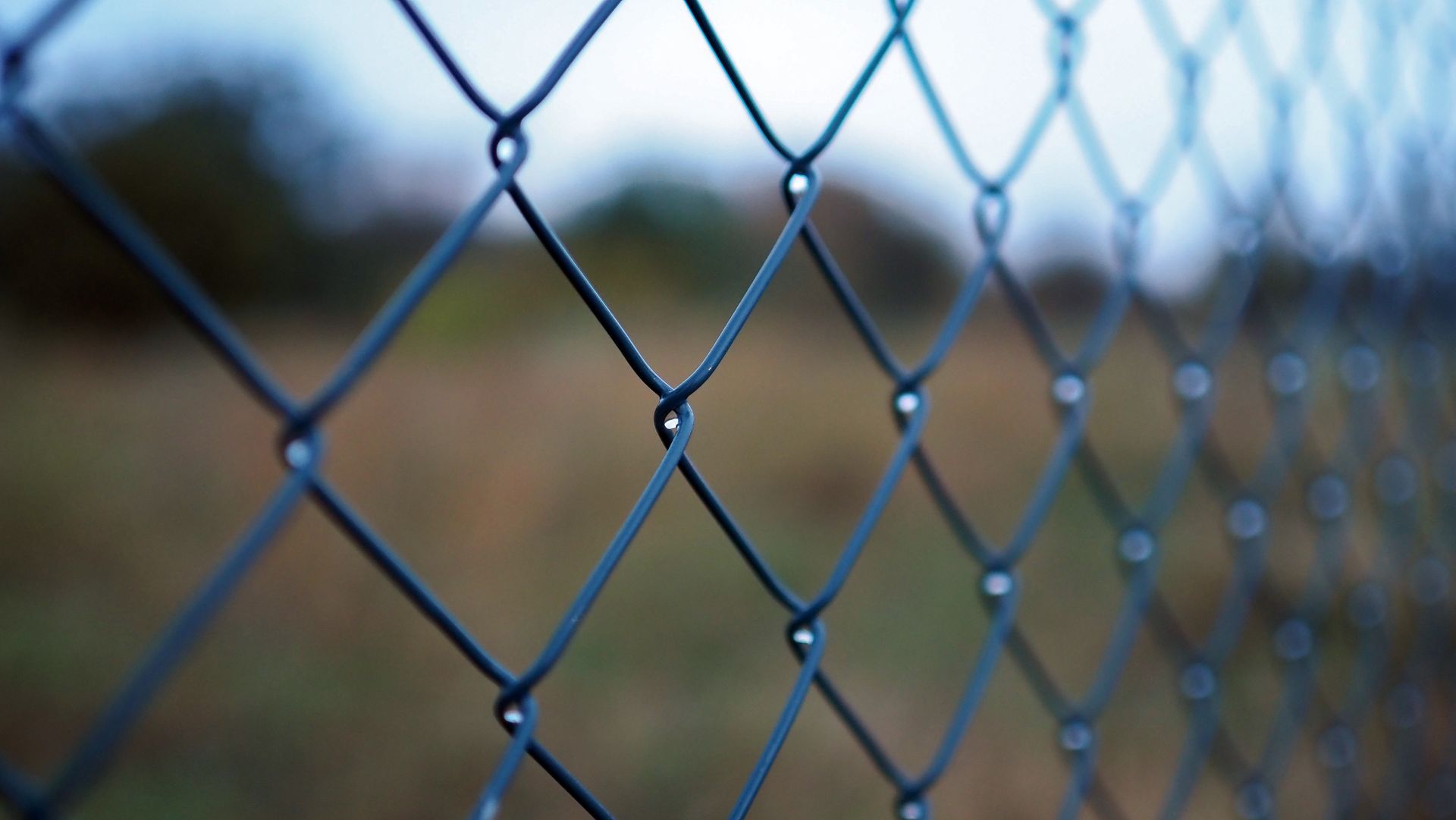
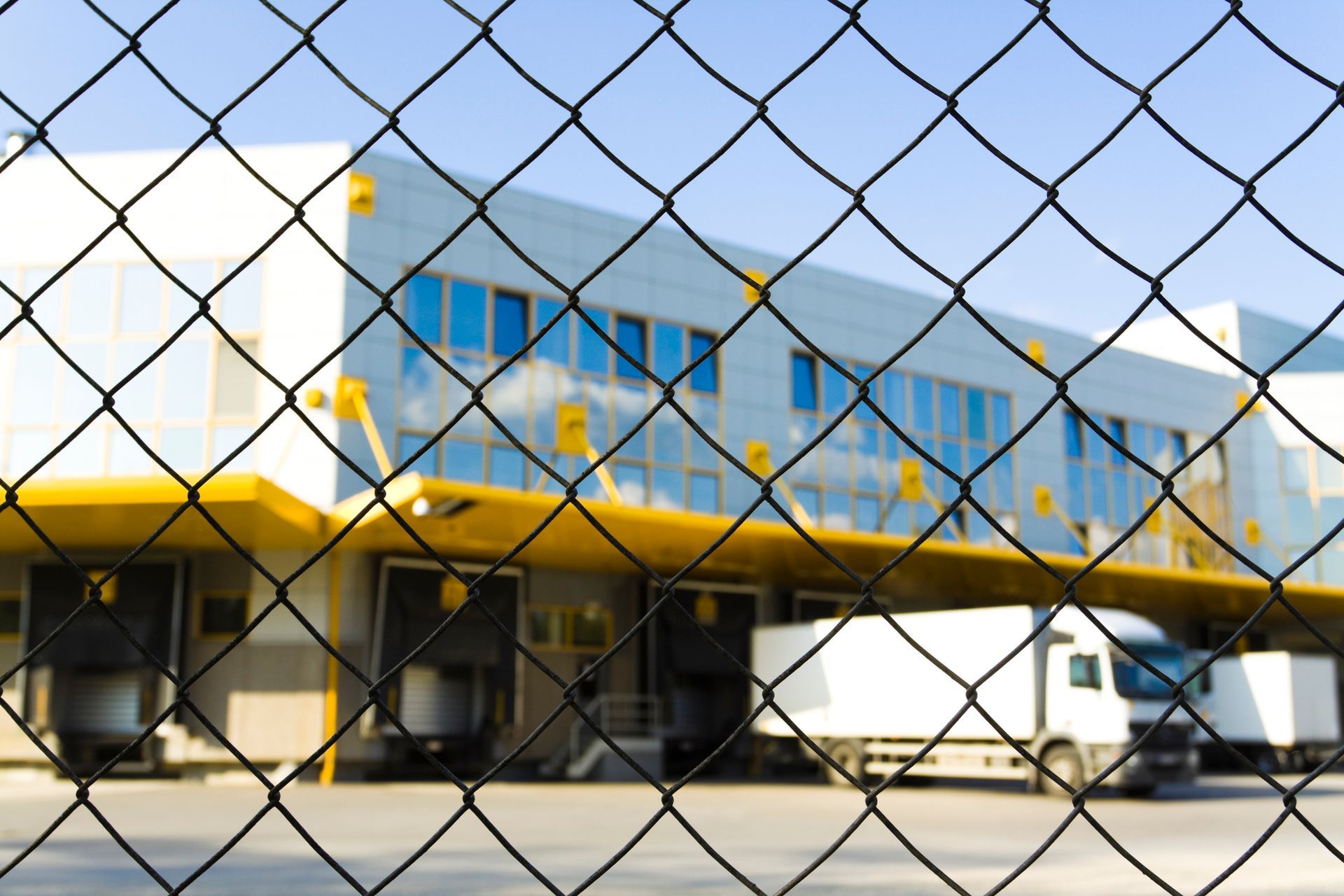
- Chain link fencing is among the most reliable choices for desert climates. It is low maintenance, allows airflow to reduce heat stress, and holds up well against monsoon winds. Galvanized or vinyl-coated chain link resists rust more effectively than untreated versions.
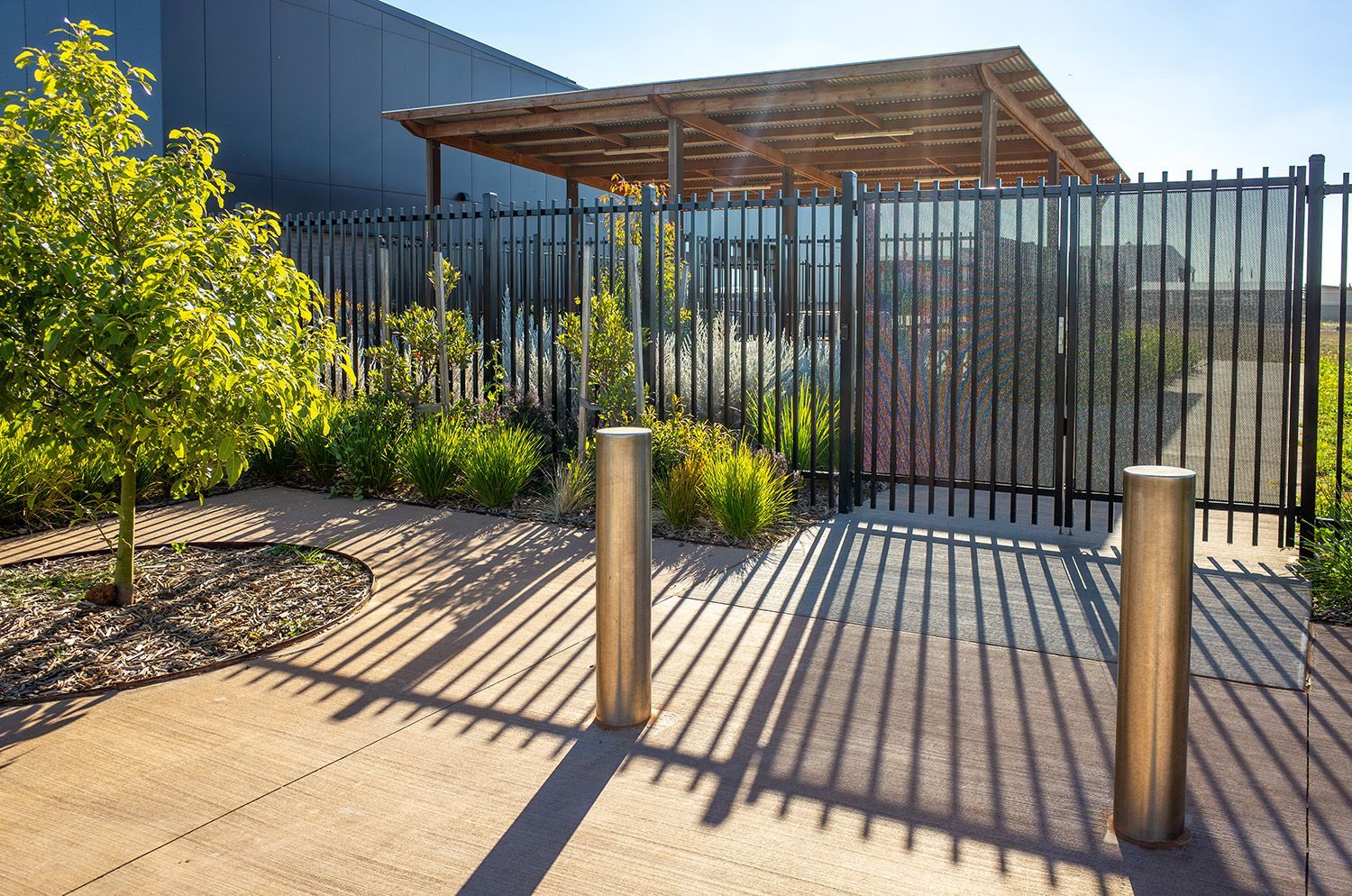
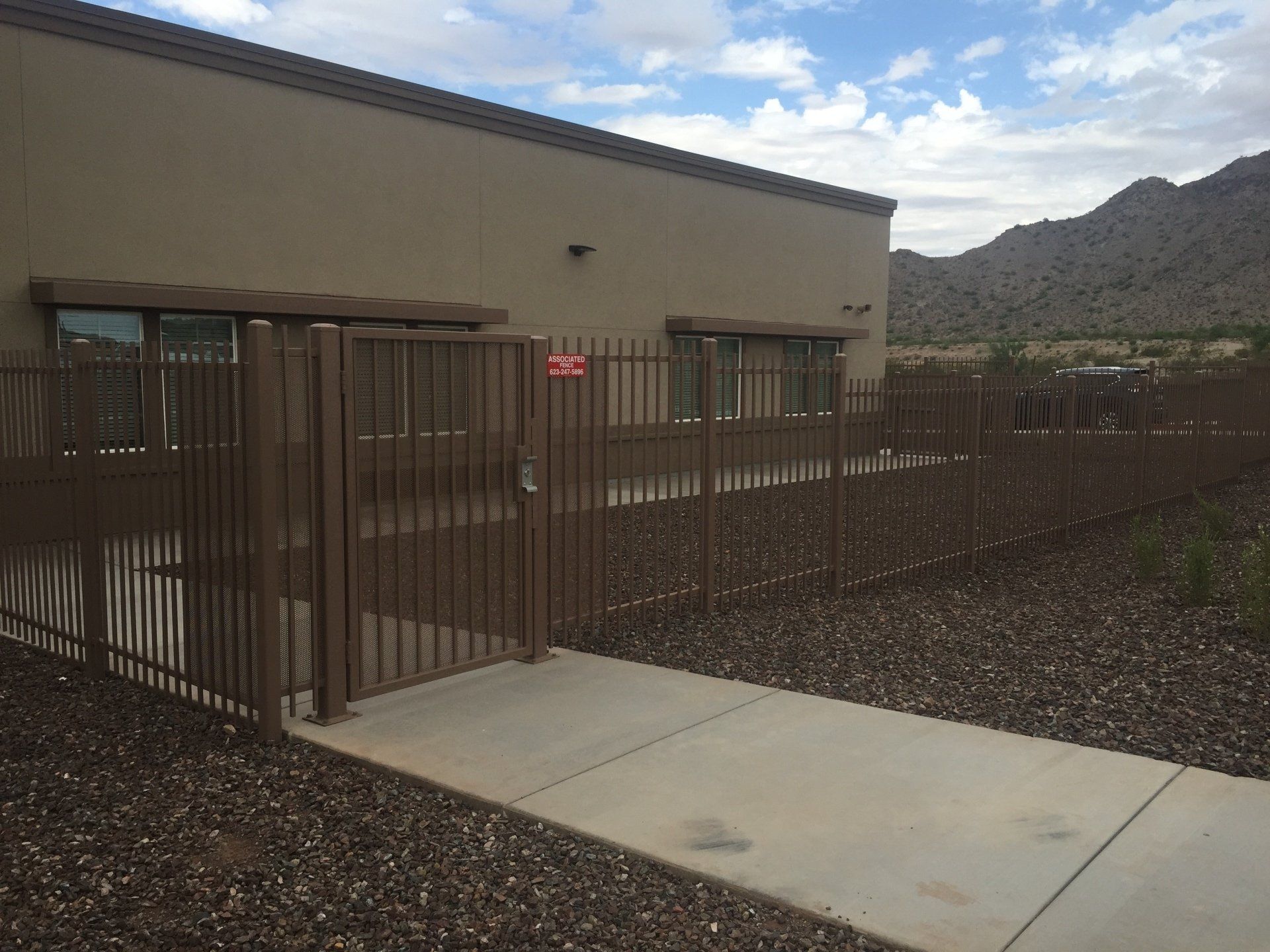
- Aluminum fencing handles heat well. It does not rust, expands and contracts less dramatically than steel under temperature swings, and typically comes with powder coat finishes that resist UV fading. It suits residential and light commercial properties well.
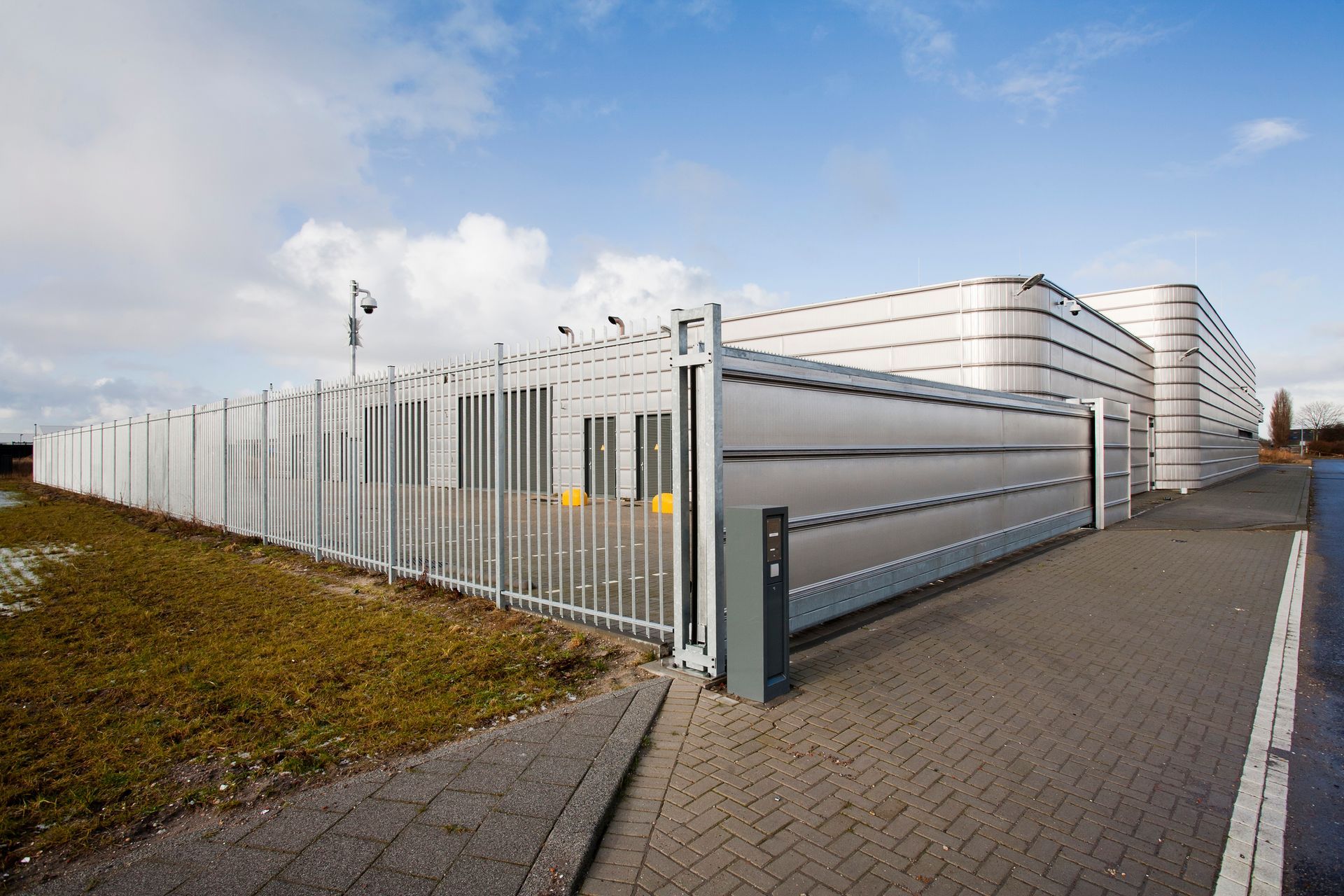
- Steel fencing offers superior strength and is a frequent choice for commercial fencing services on industrial and high-security properties. Steel can rust if the protective coating is damaged, so inspections after monsoon season are important.
Which Fencing Materials Last Longest in Phoenix?
Aluminum and chain link typically offer the best longevity with the least maintenance in Phoenix's desert environment. Steel with a quality powder coat finish also performs well, particularly on commercial sites where durability is the top priority.
Material selection is never one-size-fits-all. Property type, exposure, budget, and security needs all influence the right choice. Consulting qualified fence contractors early in the planning process ensures the right material is matched to the right application.
What Maintenance Helps Extend Fence Life?
Routine care can add years to any fence regardless of material.
- Inspect posts and panels after every monsoon season for shifting, rust, or damage.
- Clean vinyl and aluminum surfaces periodically to remove dust and grime.
- Re-seal or re-stain wood fences at least once a year to limit moisture loss.
- Touch up scratched or chipped coatings on steel fencing promptly to prevent rust.
- Trim vegetation near fence lines to reduce moisture retention and pest pressure.
Does Professional Installation Make a Difference in Hot Climates?
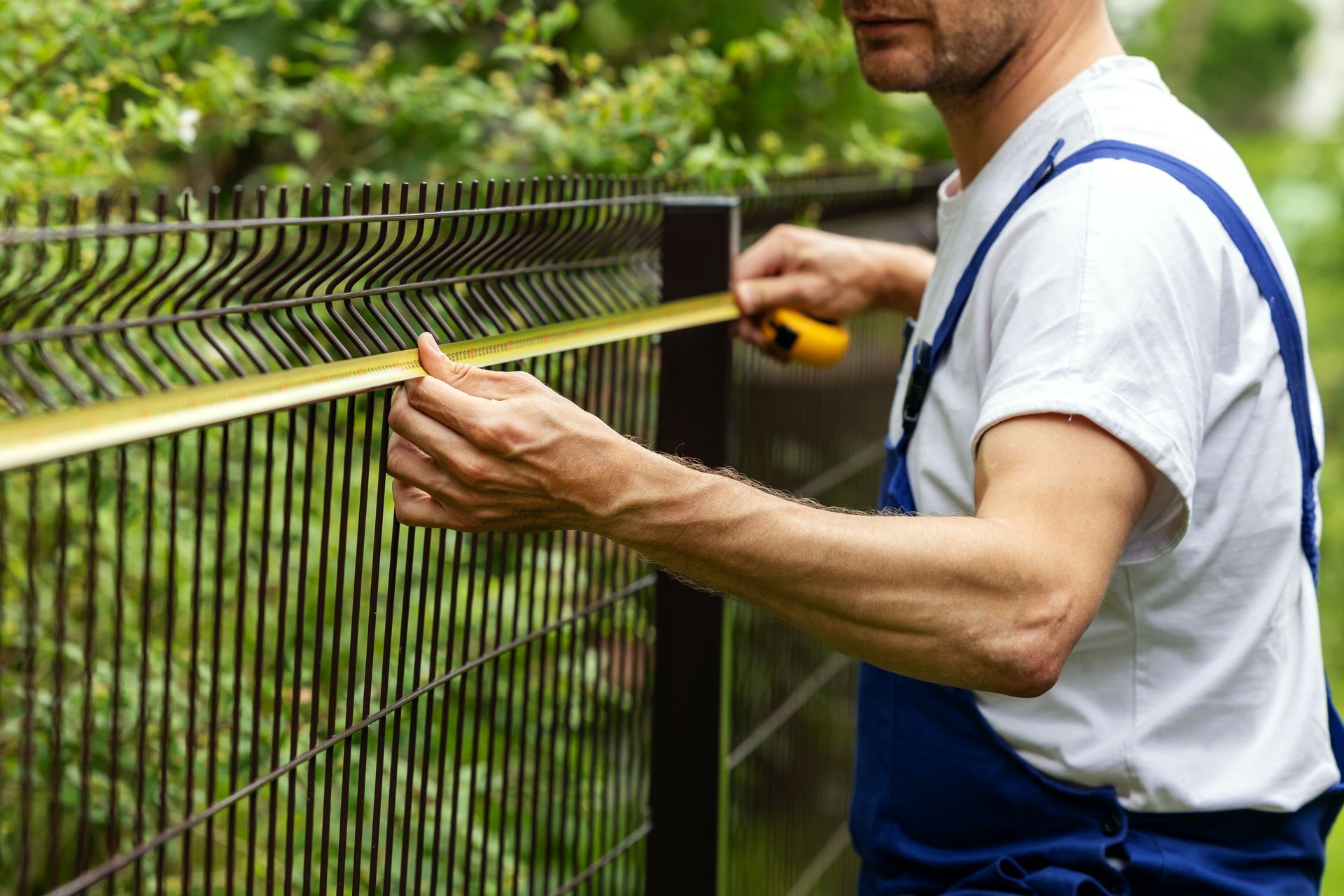
Professional installation can significantly extend a fence's lifespan in desert conditions. Properly set posts, correctly tensioned chain link, and well-applied powder coat finishes reduce the early wear that poor installation accelerates. In a climate as demanding as Phoenix, AZ, cutting corners during installation often leads to higher long-term costs.
Get Expert Fence Guidance for Phoenix Properties
Glendale-based Associated Fence proudly serves Phoenix, AZ, and surrounding communities with durable fencing solutions built for Arizona's demanding climate. Whether you need residential fencing or commercial fencing services in Phoenix, AZ , their team can help you select and install the right material for your site.
Reach out through their contact page to discuss your project, or call (623) 247-5896 to speak with a fencing specialist. You can also find them on Google at Associated Fence .