Chain Link or Ornamental Iron? How Commercial Fencing Services Help You Decide
Choosing the right fence for a commercial property is one of the most practical decisions a Phoenix metro business owner can make. When evaluating commercial fencing services, two materials come up again and again: chain link and ornamental iron. Each serves a different purpose, and understanding the trade-offs can save money, time, and headaches.
How the Two Materials Stack Up for Phoenix Properties
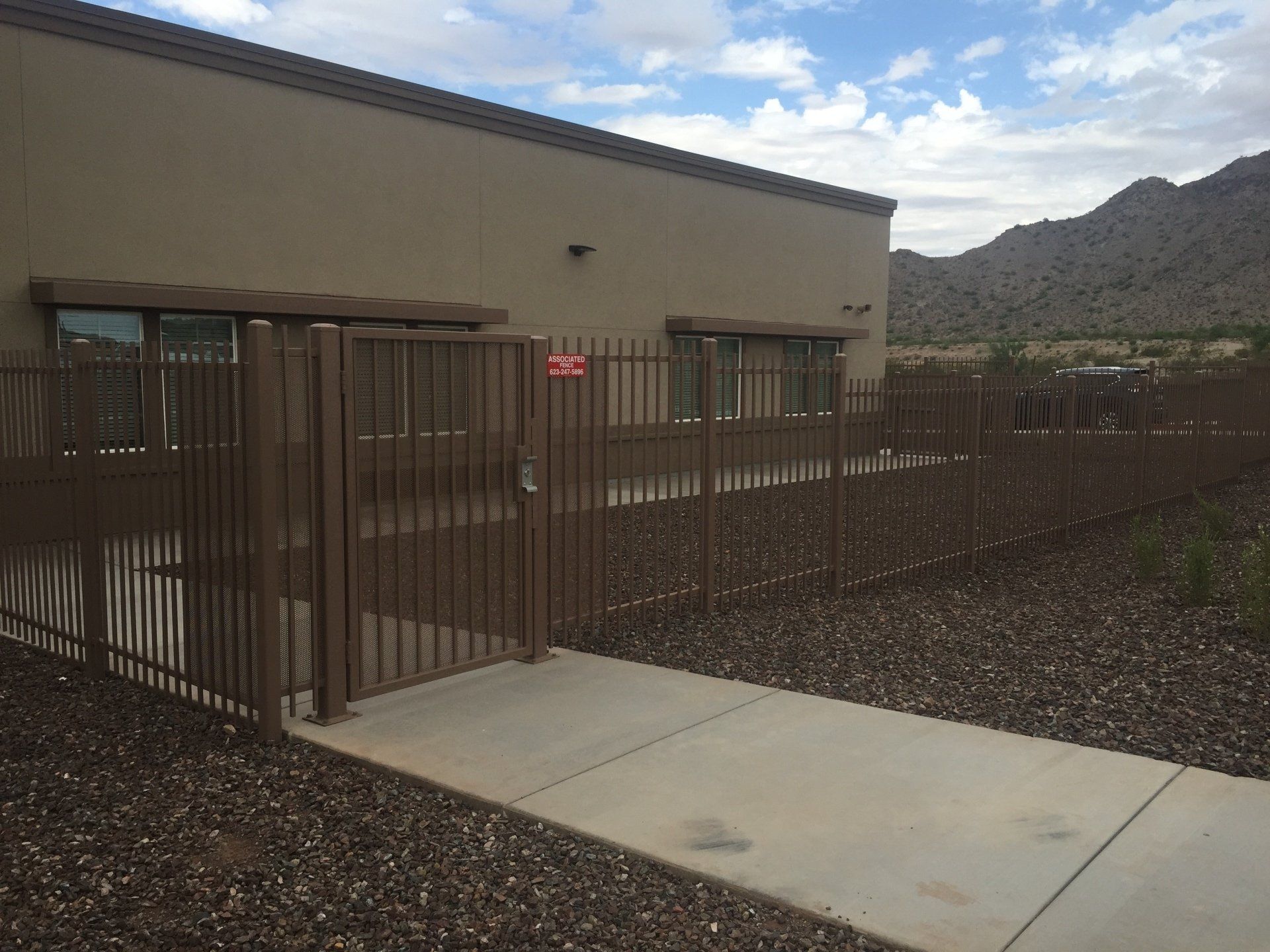
When comparing chain link and ornamental iron for Phoenix commercial properties, several factors come into play. Chain link carries a lower upfront cost, while ornamental iron requires a higher initial investment that can pay off in curb appeal and longevity. In terms of appearance, chain link is functional and minimal, whereas ornamental iron reads as decorative and professional. Both handle desert heat well: galvanized steel resists high temperatures reliably, and a powder coat finish on ornamental iron protects against UV exposure and rust.
Security ratings are strong for both options, with chain link reinforced through barbed wire or privacy slats and ornamental iron made harder to climb by its picket design. Maintenance needs are very low for chain link and limited to periodic coating inspections for ornamental iron. Both materials are compatible with gate automation systems. As for HOA and municipality fit, chain link is typically allowed in industrial and warehouse zones, while ornamental iron is often preferred or required near commercial corridors.
What Factors Do Commercial Fencing Services Actually Evaluate?
Security Requirements
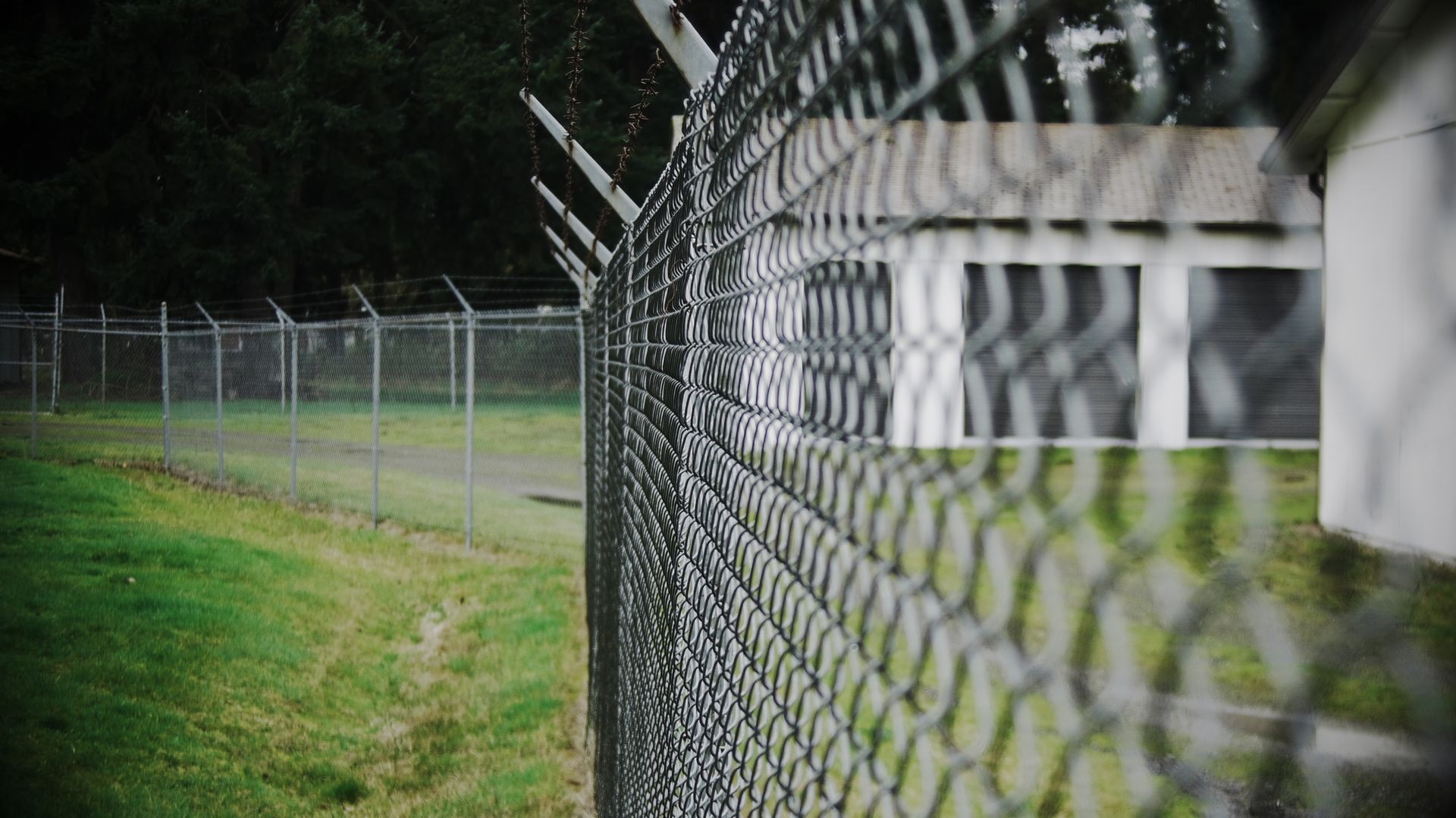
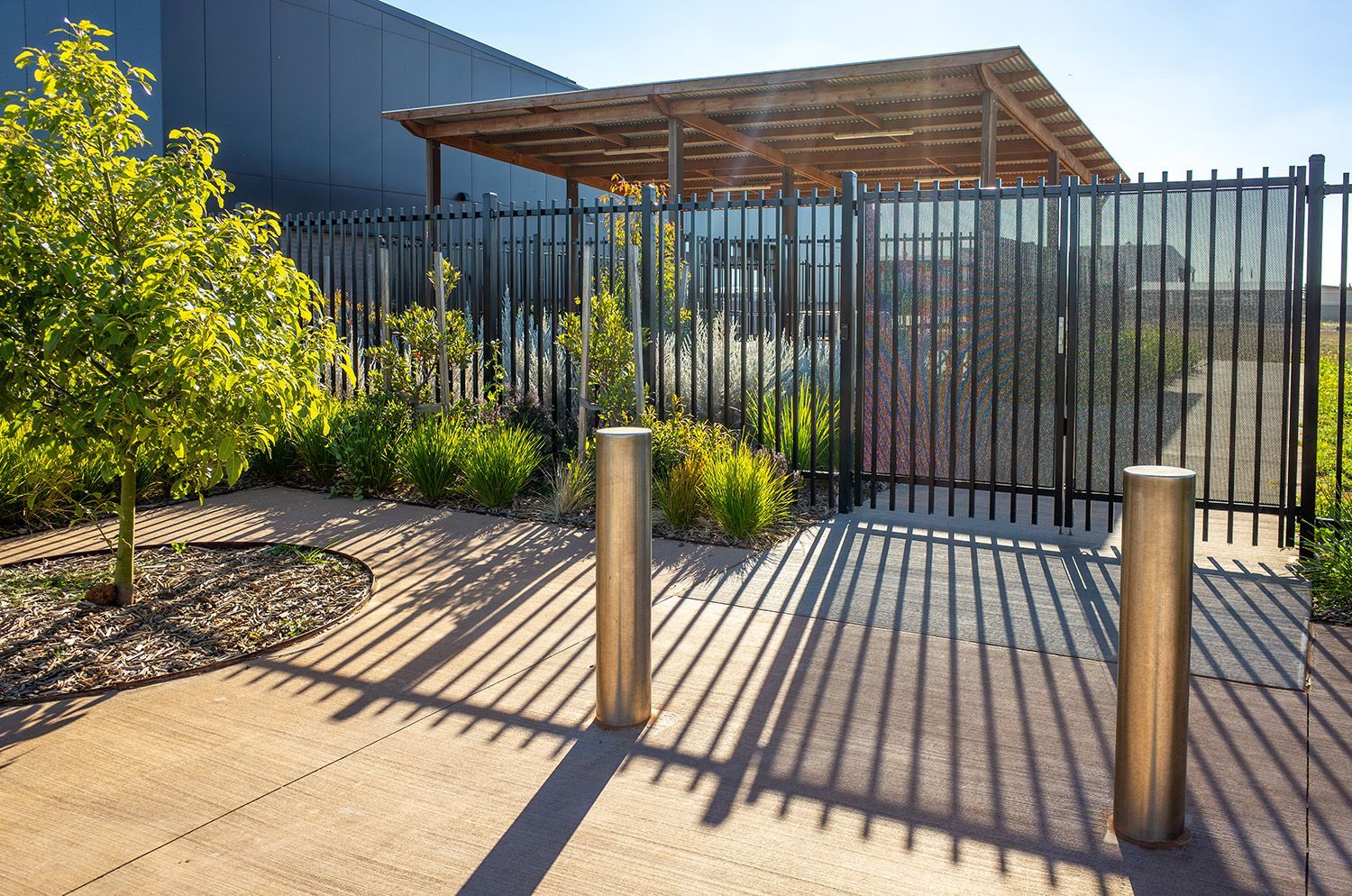
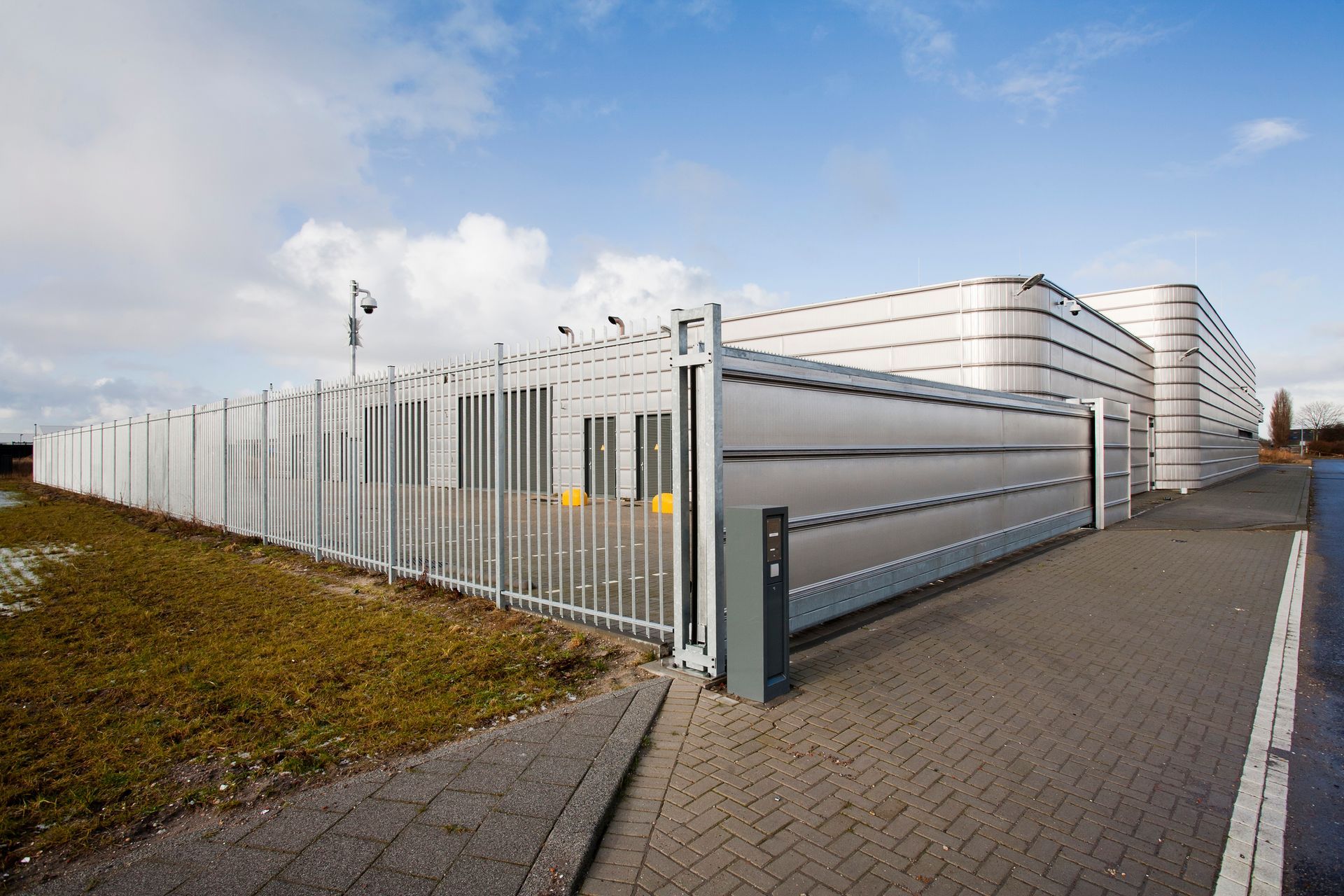
Chain link at six to twelve feet with barbed wire topping is a proven barrier for warehouses, utility yards, and industrial sites. Ornamental iron suits office complexes and retail centers where a professional appearance matters alongside security.
Desert Climate and Material Performance
Phoenix summers regularly exceed 110°F, and monsoon season brings wind-driven dust and moisture. Galvanized chain link holds up well in dry, high-heat conditions with minimal upkeep. Ornamental iron with a powder coat finish also performs reliably, though chips or scratches should be touched up promptly to prevent surface rust.
HOA and Municipality Considerations
Phoenix and Glendale commercial corridors sometimes require ornamental iron near street frontage. Industrial and back-of-property perimeters typically allow chain link without restriction. Always verify local zoning requirements before finalizing a material choice.
Gate Automation Compatibility
Both materials work with automated gate systems. Swing gates, slide gates, and access control equipment integrate with either frame type. A contractor experienced in commercial fencing services in Phoenix, AZ, can spec the right gate operator for your traffic volume and security needs.
Frequently Asked Questions
How Much Does Commercial Fencing Cost in Phoenix?
Cost depends on material, height, linear footage, and automation. Chain link starts lower in price; ornamental iron costs more upfront but adds curb appeal.
Do I Need a Permit for Commercial Fencing in Phoenix?
Most commercial fence installations in Phoenix require a permit. Requirements vary by height, location, and zoning district. A licensed contractor can confirm specifics.
Can Chain Link and Ornamental Iron Be Used Together on One Property?
Yes. Many properties use chain link for back and side perimeters and ornamental iron along street-facing frontage for security and appearance.
Let Associated Fence Help You Choose the Right Material
The right choice between chain link and ornamental iron depends on your site, security goals, and budget. Talking to an expert early matters.
Associated Fence has served commercial properties across the Phoenix metro for decades, offering both materials, in-house fabrication, and gate automation expertise.
Contact us to start your project with a free estimate.